
Consultation
A thorough consultation is always required to examine and assess the muscles, ligaments and joints related to the injury. A unique treatment plan can then be devised using the modalities below.
Deep Tissue Sports Massage
 A sports massage is beneficial for the treatment of muscular injuries as it increases blood flow and nutrients, keeps tissues loose, reduces scar tissue development and increases flexibility. It can be used for both injury prevention and maintenance. Each massage caters for the individual by using a variety of techniques, including cross-fibre frictions and trigger point therapy. Sports massage can also be used to help the body prepare for exercise and to recover post-exercise.
Trigger Point Therapy
 A trigger point is a hyper-irritable spot that is painful. It affects not only the muscle where the trigger point is located, but also causes “referred pain” in tissues supplied by nerves. The deactivation of trigger points by applying pressure relieves pain.
Myofascial Dry Needling
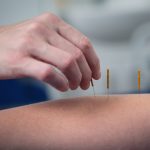
Dry Needling is used to treat pain and dysfunction caused by muscle problems, headaches, and some nerve problems. Dry needling is a western medicine technique and therefore is not the same as acupuncture in any way
Dry Needling works by changing the way your body senses pain (neurological effects) and by helping the body to heal stubborn muscle spasm associated with trigger points (myofascial effects).
Manual Therapy
 Joint Mobilisations are a series of manual techniques applied to the affected joints of the body to reduce stiffness, increase your range of motion and to relieve pain.
Ultrasound
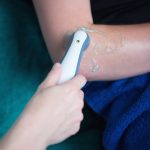
Ultrasound can reduce the healing time of injuries by accelerating the inflammatory process and stimulating the production of more collagen – the main protein component in soft tissue such as tendons and ligaments. It can also have a positive effect too on any fibrous scar tissue which may form after an injury.
Taping

At the clinic we use two brands of rehabilitative tape – Kinesio and Rock Tape. Taping helps reduce muscle fatigue and promotes blood flow for a faster recovery. It supports joints and muscles, without affecting circulation or range of motion. Tape is used for the treatment of muscular disorders, with examples including: Plantar Fasciitis, Achilles Tendonitis, hamstring injuries, shin splints, tennis elbow, lower back pain and swelling
Rehabilitation
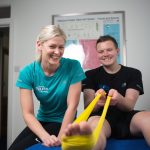
Rehab is a process which ensures full functional movement while regaining pre-injury levels across all aspects of physical fitness. Strength, endurance, power and flexibility are restored along with proprioception and balance.
To help with our programmes, we have “Rehab My Patient” – a brilliant and intuitive exercise software programme. It can be used on any computer or tablet by the therapist and the patient. The software allows us to send a rehabilitation programme specific to the individual, (including HD videos).